Get a Heating/Cooling System Quote in Minutes - Explore Our Options Today!




Back to Blog
The #1 Reason Newer Homes Still Have Musty Smells: Crawl Space Moisture in Hanover County
When you buy a newer home, you expect everything to be crisp, fresh, and perfectly clean. You count on modern building materials, tight insulation, and brand-new climate systems to keep your living spaces comfortable. But many homeowners across Mechanicsville, Ashland, and throughout Hanover County are noticing a frustrating mystery: despite their home being less than ten years old, a stubborn, sour, musty odor keeps drifting up into the living room and closets.
Dealing with a persistent musty smell in a beautiful, modern house is incredibly discouraging. Many people buy expensive air purifiers, light scented candles, or constantly spray air fresheners, assuming the odor is just a temporary cleaning issue. In reality, that earthy smell is a major warning sign that moisture is trapped directly beneath your feet inside your crawl space. Even newly built homes in our part of Virginia can suffer from severe sub-floor moisture problems. SoGood Plumbing, Heating & Air has been helping local families protect their home comfort and indoor air quality for years. This guide breaks down the everyday reasons why newer homes still get musty crawl spaces, and the best ways to fix the issue for good.
The Stack Effect: How Your Crawl Space Controls Your Air
To understand why a damp crawl space makes your upstairs living room smell bad, you need to understand how air naturally moves through a house. Your home acts like a giant chimney, creating a natural airflow pattern that engineers call the stack effect.
Why Sub-Floor Air Doesn’t Stay Under the House
Warm air naturally rises. As the sun beats down on your roof, warm air escapes through your attic vents, creating a tiny vacuum on the lower levels of your property. This vacuum actively sucks air upward through your floorboards:
-
Unsealed Wire and Pipe Gaps: Electrical lines, plumbing pipes, and heating vents cut straight through your wooden sub-floor. These open gaps act like miniature highway lanes, drawing damp crawl space air directly into your living spaces.
-
The Shared Breathing Air Reality: Building science data shows that up to fifty percent of the air you breathe on the first floor of your home actually originated in your crawl space. If it is damp and moldy down below, your indoor air quality will suffer.
-
Sticky, Humid Hardwood Floors: As damp air migrates upward, it hits the underside of your hardwood or carpeted floors, trapping moisture in your living zones and creating a heavy, sticky feeling across your floor plan.
Why Modern Hanover Homes Still Suffer from Crawl Space Moisture
It seems backward that a brand-new home would have moisture problems compared to a house built fifty years ago. While modern building codes make homes more energy-efficient, they can accidentally create a perfect storm for hidden moisture accumulation if the crawl space isn’t managed correctly.
The Everyday Causes of Modern Sub-Floor Dampness
Our local Virginia climate and modern construction methods introduce a few unique structural challenges:
-
The Trap of Traditional Foundation Vents: For decades, building codes required homes to have open foundation vents to let air move beneath the house. But during a humid Hanover summer, opening these vents simply invites hot, sticky air inside. When that heavy humidity hits your cool, air-conditioned floor joists, it instantly turns into liquid condensation.
-
Dense Clay Dirt and Poor Drainage: Hanover County is famous for its thick, dense clay soil. This dirt holds onto rainwater like a giant sponge. If your gutters dump water right next to your foundation, the moisture will soak straight through the clay walls and pool on your crawl space floor.
-
Tightly Sealed Living Spaces: Newer homes are built to be airtight to save on heating and cooling costs. While this is great for your electric bill, it means that once damp air gets sucked inside through the floorboards, it stays trapped with nowhere to go, intensifying the musty smell.
Simple Warning Signs of a Sub-Floor Moisture Problem
You don’t necessarily need to crawl under your house with a flashlight every week to know if you have a moisture issue. Your home will exhibit a few clear, everyday warning signs right inside your living areas long before structural wood rot sets in:
-
High Indoor Humidity and Sticky Air: If your indoor air feels heavy, muggy, and sticky even when your air conditioner has been running all afternoon, your system is likely fighting against an underground moisture source.
-
Warping or Cupping Hardwood Floors: When damp air continuously hits the underside of your sub-floor, the wood absorbs the moisture. This causes the edges of your hardwood floorboards to warp and buckle upward, a style defect called cupping.
-
Hidden Mold Patches in Main Living Areas: Finding random spots of black, green, or white mold fuzz forming on shoes, jackets, or cardboard boxes stored in the bottom of low-level closets means damp air is actively migrating into your floor plan.
-
A Sudden Spike in Pest Activity: Bugs like termites, silverfish, cockroaches, and centipedes are naturally drawn to damp, dark environments. A sudden increase in pests inside your home often means they have found a reliable water source under your floorboards.
-
Sticking Interior Doors and Sagging Drywall: As the wooden framing beneath your house absorbs water vapor, the studs can swell and shift slightly. This minor movement can cause interior door frames to warp, making your bedroom or bathroom doors pull away or stick in their frames.
Ways to Dry Out Your Home Infrastructure
If your crawl space is damp, leaving a thin sheet of plastic on the dirt floor isn’t enough to solve the issue. You want to implement durable, modern solutions that permanently protect your wooden framing and your family’s health.
The Power of Full Crawl Space Encapsulation
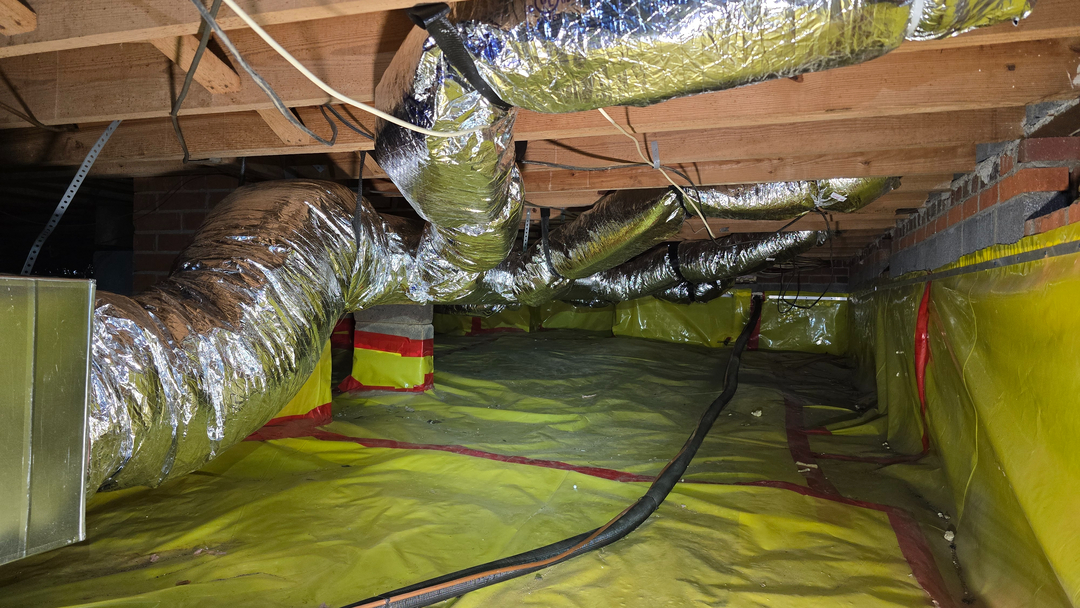
The absolute best way to stop musty smells permanently is through a process called crawl space encapsulation. This approach transforms your damp, dirty under-house zone into a clean, dry, and sealed storage space:
-
Installing a Heavy-Duty Vapor Barrier: Technicians cover the entire dirt floor and foundation walls with a thick, puncture-resistant white plastic liner, sealing all seams with airtight tape to block ground moisture completely.
-
Sealing Foundation Vents and Rim Joists: Closing off old foundation vents stops humid summer air from entering your crawl space, while spray foam insulation seals the perimeter edges to stop drafts.
-
Mounting a Dedicated Energy-Efficient Dehumidifier: Installing a commercial-grade dehumidifier under the house automatically monitors the air, wringing out excess water vapor and pumping it safely outside so the wood stays perfectly dry year-round.
Protect Your Family’s Living Environment with SoGood Plumbing, Heating & Air
Taking care of your home’s hidden foundation space is one of the most critical parts of protecting your property value and your family’s health. While basic household fixes like extending your gutter downspouts and keeping your air conditioner running can help manage baseline humidity, resolving a chronic musty smell requires specialized diagnostic testing and professional trade expertise. Continuing to breathe in air pushed up from a damp, moldy crawl space is a health risk that can ruin your indoor comfort and damage your wooden floor joists. Making the proactive choice to seal and encapsulate your sub-floor layout permanently drops your home operating costs, eliminates musty odors, and keeps your property safe, dry, and fresh through every humid Virginia summer.
You don’t have to live with frustrating odors or worry about hidden moisture damage under your house. The friendly, experienced team at SoGood Plumbing, Heating & Air specializes in comprehensive indoor air quality audits, crawl space moisture control, and heavy-duty encapsulation systems for families across Hanover County. Our certified technicians understand the unique drainage challenges of our local clay soil, providing transparent options and clear upfront pricing with absolutely zero sales pressure.
Contact us today to get your home comfort assessment scheduled.
Recent News
Water Heater Recovery Time Problems in Powhatan: Repair or Replace?

SoGood Expands With Expert Electrical Services in Richmond, VA
Whole-Home Dehumidifier vs “Lower the Thermostat” for Richmond Humidity
Why Your Heat Pump Runs Constantly During a Virginia Heat Wave
Is Your AC Ready for a Virginia Summer? 5 Red Flags You Can’t Ignore in May
Emergency Drain Clogs in Powhatan: When to Call a Pro vs. DIY Risks