Get a Heating/Cooling System Quote in Minutes - Explore Our Options Today!




Back to Blog
Is Your AC Ready for a Virginia Summer? 5 Red Flags You Can’t Ignore in May
May in Virginia is a spectacular time of year. The spring pollen is finally settling, the landscapes from the Shenandoah Valley to the coastal plains are vibrant, and the afternoons are hinting at the intense summer heat just around the corner. While you are busy prepping your patio furniture, planting your garden, and planning your weekend trips, there is one critical component of your home that needs immediate attention: your central air conditioning system.
Virginia summers are notoriously brutal, characterized not just by high temperatures but by a heavy, thick humidity that tests the limits of residential cooling equipment. If your AC has a hidden mechanical vulnerability, the first ninety-degree day in June will expose it, often resulting in a sudden system breakdown when local HVAC technicians are busiest. By taking a proactive approach in May, you can catch minor issues before they transform into costly emergencies. At SoGood Plumbing, Heating & Air, we want to ensure your home remains a cool sanctuary all summer long. This guide breaks down the five critical red flags you cannot afford to ignore this month.
Red Flag 1: Weak, Lukewarm Airflow from the Vents
When you turn your thermostat from heat to cool for the first time in the spring, the air coming from your supply registers should feel crisp, cold, and forceful within a few minutes. If the air is barely trickling out, or if it feels closer to room temperature, your system is crying for help.
The Problem with Airflow Restrictions
Weak airflow is often a sign that your system is working against a severe physical blockage.
- The Clogged Air Filter: A winter’s worth of dust, pet dander, and household debris can completely choke a standard pleated filter. When air cannot pass through the filter cleanly, the blower motor must work twice as hard, leading to overheating and premature failure.
- Leaky, Damaged Ductwork: Virginia homes often feature duct networks running through unconditioned attics or crawlspaces. Over time, duct joints can separate, or pests can chew through flexible lines, allowing your expensive cold air to dump into your attic instead of your living spaces.
The Danger of Warm Air Delivery
If the airflow is strong but the temperature is lukewarm, your compressor or refrigerant loop is likely compromised. Operating a system with low refrigerant levels places intense thermal strain on the compressor pump, which can burn out the entire unit if left unaddressed.
Red Flag 2: Strange and Unfamiliar Noises
A healthy central air conditioner operates with a predictable, rhythmic hum. While you might be accustomed to the baseline sound of your system kicking on, you should never ignore new, aggressive acoustic changes coming from your indoor or outdoor units.
Squealing and Screeching
High-pitched squealing sounds typically point to an issue with the blower motor assembly or the fan belt in older systems. As bearings dry out and lose their lubrication, metal rubs against metal, creating friction that will eventually lock up the motor entirely.
Grinding, Clanking, or Banging
- Loose Hardware: A loud clanking or rattling sound often indicates that a fan blade has become loose or bent, striking the protective metal housing with every rotation.
- Compressor Failure: If you hear a deep, mechanical banging sound coming from the outdoor condenser cabinet when it tries to start, the internal components of the compressor may have detached or failed, requiring immediate professional diagnostic testing.
Red Flag 3: Excessive Humidity Levels Indoors
Your air conditioner has a dual responsibility during a Virginia summer. It must lower the sensible temperature of the air, and it must remove latent moisture. In fact, managing the humidity is often more important for your overall comfort than lowering the degrees on the thermometer.
The Science of Evaporation
As warm, damp air passes over the freezing evaporator coil inside your air handler, the water vapor condenses into liquid drops and drains away out of the house.
If your indoor air feels sticky, clammy, or heavy, or if you notice a persistent musty odor in your hallways, your system is short-cycling. This means the unit is turning on and off too quickly to complete a full dehumidification cycle, leaving the moisture trapped inside your home and creating a prime breeding ground for mold and dust mites.
Red Flag 4: Water Leaks and Puddles Near the Indoor Unit
Discovering standing water or moisture stains around the base of your indoor air handler or furnace cabinet is a serious warning sign that requires an immediate system shutdown.
Clogged Condensate Drain Lines
Because your AC pulls gallons of water out of the air on a humid May afternoon, it relies on a dedicated plastic drain line to carry that water outside safely. Over the winter, algae, mold, and dust can settle inside this line, forming a thick, gelatinous clog.
- The Overflown Pan: When the drain line blocks, the water backs up into the primary safety pan beneath the coil.
- Secondary Structural Damage: If your system lacks a modern water overflow switch, the water will spill over the edges of the pan, rotting your drywall, ruining your ceilings, and causing expensive structural restoration projects.
Red Flag 5: Short-Cycling and Sudden System Shutdowns
If your air conditioner turns on, runs for three to five minutes, shuts off abruptly, and then repeats the process ten minutes later, your system is experiencing short-cycling. This is one of the most destructive operational patterns an HVAC unit can exhibit.
Common Triggers for Short-Cycling
- Frozen Evaporator Coils: When airflow is restricted or refrigerant is low, the temperature of the indoor coil drops below freezing. Moisture on the coil turns to ice, blocking the airflow entirely and causing the system’s thermal sensors to trip and shut down the machine for safety.
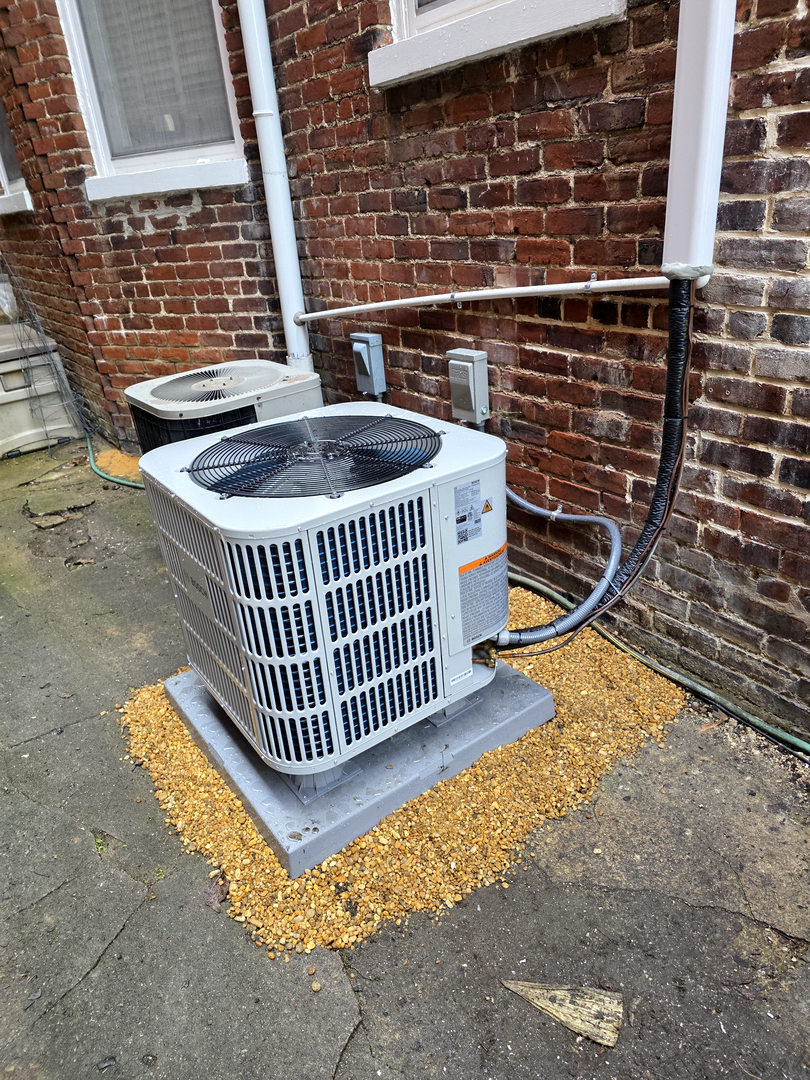
- Overheating Components: If the outdoor condenser is caked in spring pollen or grass clippings, it cannot shed heat. The internal temperature spikes, triggering the high-pressure limit switch to cut power to the compressor before it melts down.
The Value of a Professional May Tune-Up
Trying to address these red flags with quick DIY fixes can often worsen hidden mechanical issues. A pre-summer inspection from SoGood Plumbing, Heating & Air is the most effective way to ensure your system survives the upcoming seasonal pressure.
Our technicians perform a rigorous multi-point calibration that goes far beyond simply swapping out a dirty air filter. We measure refrigerant pressures with digital gauges, inspect electrical contactors for signs of pitting or arcing, clear the entire length of your condensate line with pressurized air, and balance the electrical draw of your motors. This precise maintenance process ensures your equipment operates at peak efficiency, protecting your equipment warranties and lowering your monthly energy bills.
The SoGood Commitment to Your Comfort
At SoGood Plumbing, Heating & Air, we believe that home service should be simple, reliable, and entirely transparent. We have built our reputation throughout Virginia by delivering honest assessments, straightforward upfront pricing, and exceptional technical craftsmanship. Our technicians treat your home with the same respect they would show their own, wearing protective shoe covers and leaving your workspace completely spotless.
Whether you need a quick drain line clearing, a complex refrigerant leak repair, or a complete high-efficiency system replacement ahead of the summer rush, our team is ready to serve you. We do not believe in high-pressure sales tactics or selling you parts you do not need. If your system is healthy, we will tell you. If it needs a critical adjustment to keep your family safe and comfortable, we will explain exactly why.
Act Now Before the Heat Arrives
Do not let a minor mechanical glitch in May turn into a home comfort catastrophe in July. By paying close attention to how your air conditioner starts, sounds, and handles moisture this month, you can take control of your home climate infrastructure before the true Virginia humidity arrives.
Invest in your peace of mind and protect your wallet from emergency weekend service rates. Contact SoGood Plumbing, Heating & Air today to schedule your pre-summer AC tune-up. Let our expert team deliver the reliable cooling performance your family deserves all summer long.

Recent News
Water Heater Recovery Time Problems in Powhatan: Repair or Replace?

SoGood Expands With Expert Electrical Services in Richmond, VA

Whole-Home Dehumidifier vs “Lower the Thermostat” for Richmond Humidity
Why Your Heat Pump Runs Constantly During a Virginia Heat Wave
The #1 Reason Newer Homes Still Have Musty Smells: Crawl Space Moisture in Hanover County
Emergency Drain Clogs in Powhatan: When to Call a Pro vs. DIY Risks