Get a Heating/Cooling System Quote in Minutes - Explore Our Options Today!




Back to Blog
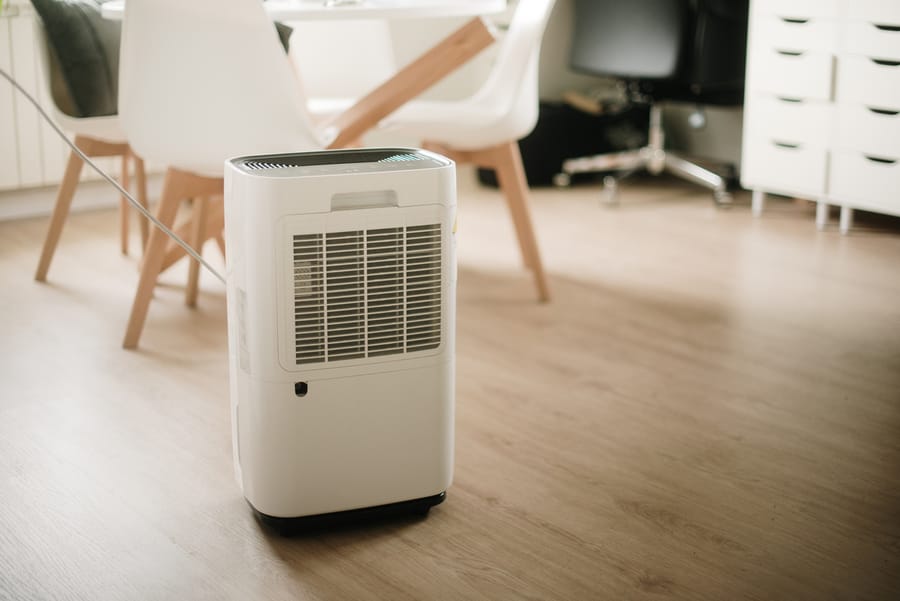
Beating the Central Virginia Humidity: Why Your AC Feels Like It’s “Not Cooling”
If you have spent a summer in the Richmond area, from the historic streets of the Fan to the shaded lawns of Powhatan, you know that the heat is only half the battle. The real enemy is the Central Virginia humidity. In our region, July and August are often defined by dew points that make the air feel thick enough to chew. At SoGood Plumbing, Heating & Air, we get the same calls every year: “My AC is set to 70, the air coming out of the vents is cold, but it just doesn’t feel right in here.” When your home feels “sticky” despite the air conditioner running, it isn’t just a comfort issue; it is a sign that your HVAC system is struggling with its second job.
In Virginia, your AC has to cool the air and wring out the moisture. If it can’t keep up with the water, you end up with a “cold swamp” effect that makes relaxing nearly impossible. As we head into the cooling season, understanding how to beat the moisture is the only way to ensure your home remains the sanctuary it should be.
The Science of “Sensible” vs. “Latent” Heat
To understand why your home feels clammy, you have to look at the two types of heat your AC handles. Sensible heat is what shows up on your thermometer (the actual temperature). Latent heat is the energy held by the moisture in the air.
When your AC pulls air across the indoor evaporator coil, it has to remove that moisture before it can effectively lower the temperature. In Central Virginia, where humidity levels can hit 70% or higher, a massive amount of your system’s energy is spent just turning water vapor into liquid. If your system is older, dirty, or improperly sized, it loses its ability to pull that water out, leaving you with cold but “heavy” air.
Signs Your AC is Losing the Humidity Battle
How do you know if your humidity is out of control? Your home will give you several warning signs:
-
The Clammy Feeling: Your skin feels slightly damp or “tacky” even when you’re sitting still.
-
Musty Odors: High moisture leads to biological growth in ducts and crawl spaces, often creating an earthy or “musty” smell near the vents.
-
Foggy Windows: Condensation on the inside of your glass is a red flag that your indoor air is saturated.
-
Constant Running: If your unit runs for hours without stopping, but the air feels “stuffy,” it is likely struggling with a moisture load it wasn’t designed to handle.
The Impact of Humidity on Your System’s Health
Central Virginia’s “sticky” air doesn’t just make you uncomfortable; it can damage your equipment.
-
Condensate Disasters: As your AC pulls gallons of water out of the air, it drains into a small pipe. In Virginia, this pipe can quickly become a breeding ground for algae and “sludge,” leading to clogs that can flood your attic or basement.
-
Frozen Coils: If your airflow is restricted by a dirty filter during a humid week, the moisture on the coil can turn into a block of ice, shutting down your cooling entirely.
-
Dirty Sock Syndrome: Moisture trapped on aluminum fins attracts dust and bacteria, creating a foul odor every time the system kicks on.
How to Optimize Your Home for the Virginia Climate
At SoGood, we want to help you help your AC. One of the biggest mistakes homeowners make is setting the thermostat fan to “On” instead of “Auto.” When the fan runs constantly, it blows air over a wet coil after the cooling cycle ends, pushing all that freshly removed moisture right back into your house. Always use the “Auto” setting during Virginia summers.
Additionally, many Central Virginia homes sit over crawl spaces. If your crawl space isn’t encapsulated, the moisture from the red Virginia clay rises directly into your living room. We specialize in crawl space encapsulation to stop humidity at the source, taking a massive load off your air conditioner.
2026 Financial Relief: Rebates and Tax Credits
Upgrading your comfort in 2026 is more affordable than ever. Under current federal guidelines, homeowners can claim a 30% tax credit (up to $2,000) for installing high-efficiency heat pumps or advanced air quality systems.
Furthermore, Dominion Energy and the Commonwealth of Virginia offer various rebates for system tune-ups and high-SEER2 upgrades that result in energy savings. Our team at SoGood can help you navigate these incentives, ensuring you get the most “bang for your buck” while making your home feel crisp and dry again.
Why Choose SoGood Plumbing, Heating & Air?
We aren’t just another HVAC company; we are your neighbors. Based in Powhatan and serving the greater Richmond area, we’ve built our reputation on a foundation of integrity. We call it the “SoGood” standard: no corner-cutting, no hidden fees, and ongoing training for every technician on our team.
When we visit your home, we don’t just check the freon. We use specialized diagnostic tools to measure your home’s actual humidity load and check your ductwork for leaks that might be sucking in hot, humid attic air. We stay at the forefront of IAQ (Indoor Air Quality) technology because we know that in Virginia, air quality is just as important as air temperature.
Reclaim Your Comfort This Summer
Don’t let the Central Virginia humidity turn your home into a swamp this summer. By understanding the “invisible load” on your system and taking proactive steps to manage moisture, you can lower your energy bills and breathe easier. Whether you need a precision tune-up to clear your drain lines or a whole-home dehumidification strategy, SoGood Plumbing, Heating & Air is ready to help.
Breathe easier and feel the difference of a dry, cool home. Contact SoGood Plumbing, Heating & Air today to schedule your AC service.
Recent News
The Central Virginia Spring Readiness Checklist: Preparing Your Richmond Home for Unpredictable Weather
Hard Water vs. Your Water Heater: Why Chesterfield & Hanover Homes Need a Protective Strategy
When to Replace Your Furnace vs Repair: Central Virginia Edition
How Richmond’s Aging Homes Create Hidden Plumbing Challenges in Winter
Why Sudden Cold Spells in Central Virginia Overwork Heating Systems
Is It Time to Replace Your Water Heater? 6 Signs RVA Homeowners Shouldn’t Ignore